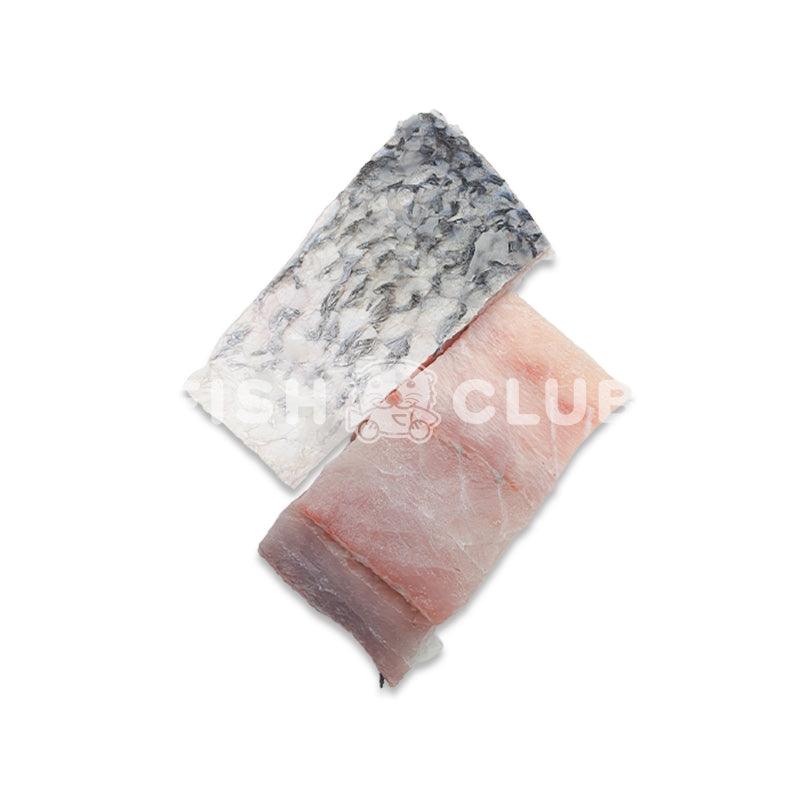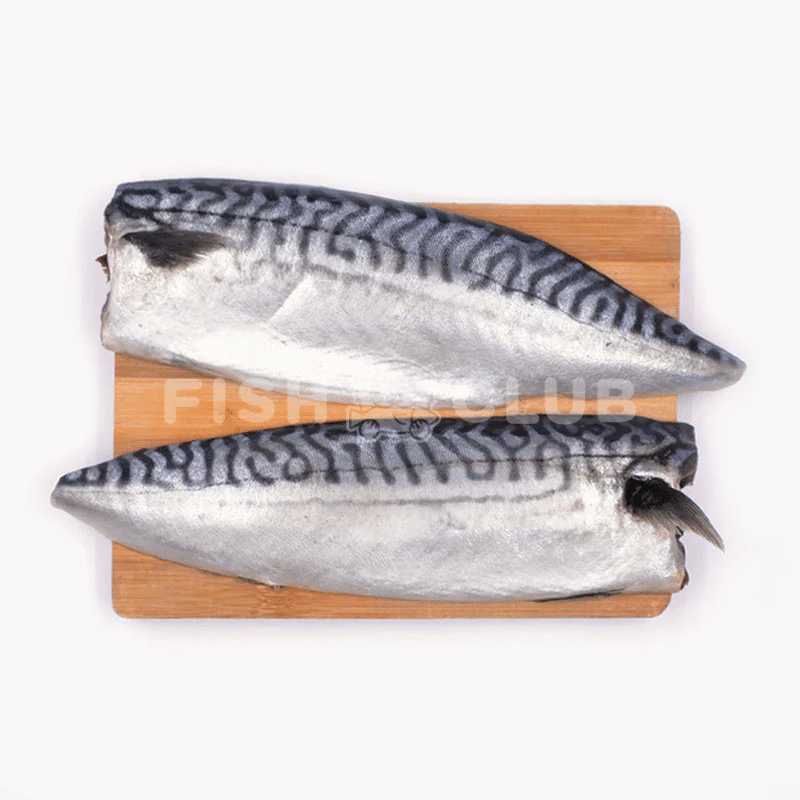
Norwegian Mackerel Fillet (Saba) / 鲭鱼厚片
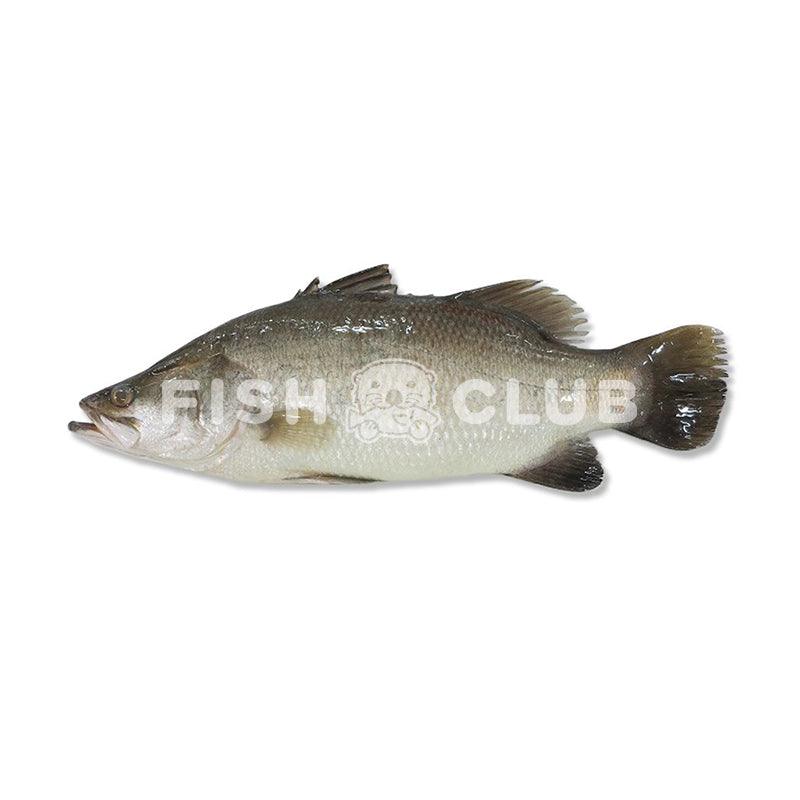
Norwegian Mackerel Saba 鲭鱼
Chinese Name(s): 鲭鱼
Origin: Norway 挪威
Type: Wild Caught 野生
Flavour: Strong 浓郁
Texture: Firm 结实
Cooking Method: Deep Fry / Pan Fry 油炸 / 煎炸
Weight Loss after cleaning (whole fish): 0%
—————————————————————————————————————
Norwegian Mackerel Fillet
Mackerel, commonly known as "Saba Fish" (not to be confused with Sabah / Sarawak state) is a fast-swimming fish. In the summer it appears in large coastal shoals as well as in the Skagerrak, the North Sea and the South Norwegian Sea. For Norwegian mackerel, the premium catch period is September to November when the Mackerel swims from the feeding areas in The Norwegian Sea and back to the spawning areas. This is when the fat content is the highest, making the mackerel especially tasty and packed with healthy EPA, DHA and other omega-3 fatty acids. This explains the international popularity of Norwegian mackerel, which is caught when the fish is of the highest quality. Norway mainly uses purse seine when fishing for mackerel. This distinguishes Norway from other exporters and contributes to the high quality of mackerel from Norway. Trolling line is also used along the coast and pelagic trawl at sea.
Mackerel is especially rich in:
• Protein that builds and maintains every cell in the body
• Omega-3 fatty acids that prevent and reduce the development of cardiovascular diseases, and which are important building blocks in the brain
• Vitamin D, which is necessary to get the right balance of calcium in the body to maintain and strengthen the bones
• Selenium, an important element in an enzyme that fights harmful chemical processes in the body
How To Make: Japanese Style Grilled Mackerel

Ingredients
- 10 oz mackerel (saba) (280 g, 2 fillets)
- 2 Tbsp sake
- ½ tsp salt (kosher or sea salt; use half if using table salt)
- 1 inch daikon radish (grated, to serve)
- 1 tsp soy sauce (to serve)
- 1 wedge lemon
Steps
- Gather all the ingredients.
- Coat the fish with 2 Tbsp sake.
- Pat dry with paper towel (and discard the sake) and transfer the fish to a baking sheet lined with parchment paper.
- Sprinkle ½ tsp salt on both sides of the fish.
- Let it sit at room temperature for 20 minutes. Preheat the oven to 400 ºF (200 ºC).
- After 20 minutes, pat dry the excess moisture came out from the fish.
- Place the fish skin side down and bake for 20 minutes, or until the flesh is golden brown.
- Grate daikon radish using (I love this grater).
- Serve the grilled mackerel with grated daikon and a lemon wedge on the side. Pour a few drops of soy sauce on grated daikon and eat the fish with grated daikon. Enjoy!
Tips:
Mackerel requires very little seasoning. Simply rub some salt on the fillet then pan fry or grill it. Serve with a wedge of lime or yuzu wasabi for a touch of acidity. Avoid heavy, cream-based sauces – the richness of mackerel is enough of a stomach filler as it is.Original: $5.02
-70%$5.02
$1.51Product Information
Product Information
Shipping & Returns
Shipping & Returns
Description
Norwegian Mackerel Saba 鲭鱼
Chinese Name(s): 鲭鱼
Origin: Norway 挪威
Type: Wild Caught 野生
Flavour: Strong 浓郁
Texture: Firm 结实
Cooking Method: Deep Fry / Pan Fry 油炸 / 煎炸
Weight Loss after cleaning (whole fish): 0%
—————————————————————————————————————
Norwegian Mackerel Fillet
Mackerel, commonly known as "Saba Fish" (not to be confused with Sabah / Sarawak state) is a fast-swimming fish. In the summer it appears in large coastal shoals as well as in the Skagerrak, the North Sea and the South Norwegian Sea. For Norwegian mackerel, the premium catch period is September to November when the Mackerel swims from the feeding areas in The Norwegian Sea and back to the spawning areas. This is when the fat content is the highest, making the mackerel especially tasty and packed with healthy EPA, DHA and other omega-3 fatty acids. This explains the international popularity of Norwegian mackerel, which is caught when the fish is of the highest quality. Norway mainly uses purse seine when fishing for mackerel. This distinguishes Norway from other exporters and contributes to the high quality of mackerel from Norway. Trolling line is also used along the coast and pelagic trawl at sea.
Mackerel is especially rich in:
• Protein that builds and maintains every cell in the body
• Omega-3 fatty acids that prevent and reduce the development of cardiovascular diseases, and which are important building blocks in the brain
• Vitamin D, which is necessary to get the right balance of calcium in the body to maintain and strengthen the bones
• Selenium, an important element in an enzyme that fights harmful chemical processes in the body
How To Make: Japanese Style Grilled Mackerel
Ingredients
- 10 oz mackerel (saba) (280 g, 2 fillets)
- 2 Tbsp sake
- ½ tsp salt (kosher or sea salt; use half if using table salt)
- 1 inch daikon radish (grated, to serve)
- 1 tsp soy sauce (to serve)
- 1 wedge lemon
Steps
- Gather all the ingredients.
- Coat the fish with 2 Tbsp sake.
- Pat dry with paper towel (and discard the sake) and transfer the fish to a baking sheet lined with parchment paper.
- Sprinkle ½ tsp salt on both sides of the fish.
- Let it sit at room temperature for 20 minutes. Preheat the oven to 400 ºF (200 ºC).
- After 20 minutes, pat dry the excess moisture came out from the fish.
- Place the fish skin side down and bake for 20 minutes, or until the flesh is golden brown.
- Grate daikon radish using (I love this grater).
- Serve the grilled mackerel with grated daikon and a lemon wedge on the side. Pour a few drops of soy sauce on grated daikon and eat the fish with grated daikon. Enjoy!